


Soundings
The room I was the only woman in
And why representation is no longer the conversation I want to have.
Dear reader,
Welcome back to Soundings.
This month I want to tell you about a room.
The title above promises a familiar story, the one I am asked to tell on a panel at least twice a year: the only woman in the room.
I have lived that story for more than thirty years.
I am simply no longer interested in telling it the way it is usually told.
THE SIGHTING
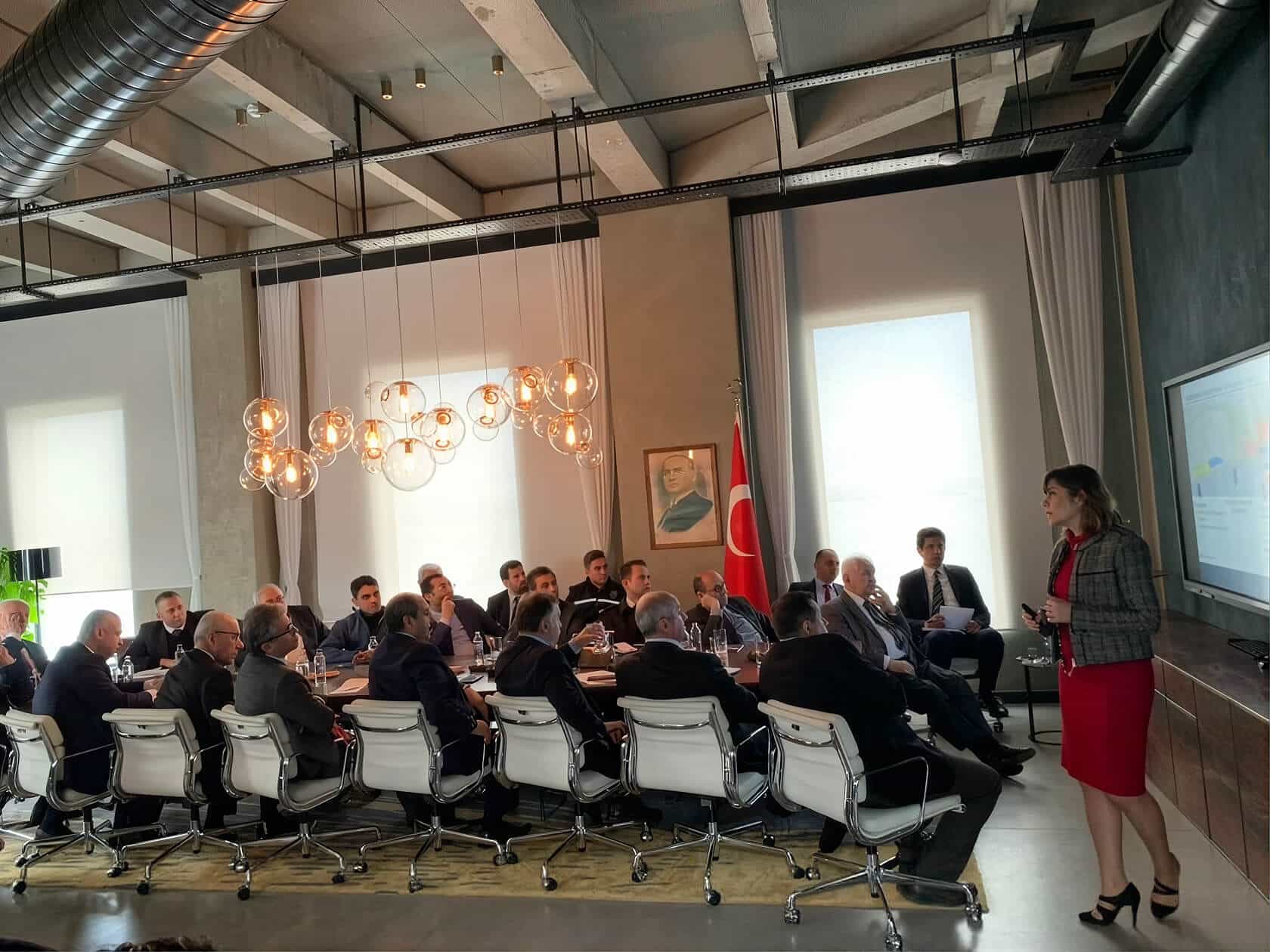
The meeting itself has faded. It was about a port, or a permit, or a season that needed unlocking. What I have kept is the moment after. We had stood, the room was emptying, and a colleague leaned in and told me, kindly, that I had been the only woman in there. I had not noticed. For two hours I had been reading the table, the customs director, the officials from immigration, the one person who would decide whether the thing I had come for would move or stall, and at no point had I sorted any of them into men and women. They were simply the people who held what I had come for.
This has happened more times than I can count, in more cities than I could name. And the surprise is always the same. Not that I was the only one. That I had to be told.
I have never been able to see a room as men and women. I see the person at the head of customs, the one who runs immigration, the one who happens to be a president or the governor of a city, and I have never weighed them by rank any more than by gender. The chair. The human. Not the gender, and not the title on the business card. Perhaps it is a kind of blindness. I have chosen to treat it as the opposite: the thing that let me keep walking into rooms that were not built for me without ever quite believing they were not.
THE PATTERN
For most of my career, the conversation about women in this industry was a conversation about getting in. Could we be in the room, on the bridge, at the table where the season was planned. I understand why the counting mattered to the people who did it. They were holding a door open by naming who was not yet through it, and I owe them more than I can say.
But getting in is only the first movement. It is not the symphony.
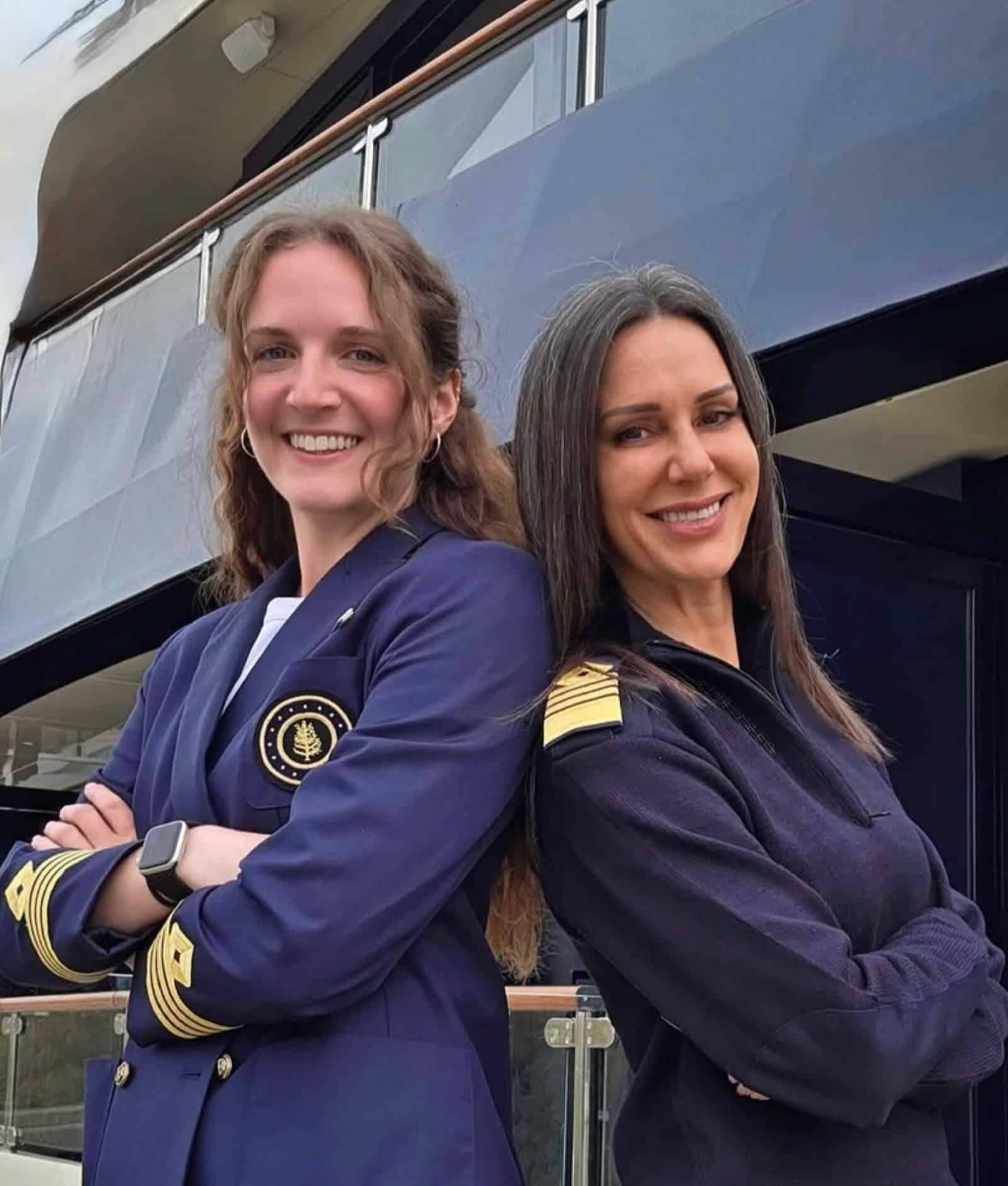
Lately I have watched the industry, at its best, begin to do on purpose what I seem to have done by accident. This spring a photograph went round of a vessel under the command of two women, Captain Kate McCue and Vice Captain Rachel Pagonis. Ten years ago that image would have run in the trade press for a week beside the word first. This time there was no noise around it. No campaign. No ribbon. No one reached for the occasion. The ship simply sailed, beautifully kept, on time. A woman commanding a ship had stopped being news. The absence of the headline had become the headline.
Underneath the good news sits a harder one. We are building ships faster than we are raising the people to lead them. The shortage everyone keeps naming is not really about paperwork, or about hands to do the work. It is about leaders, and we are running short of them. So the real question was never who we are willing to let in. It is who is ready to take the helm.
The doors that mattered most in my own life were opened without anyone pausing on my gender. I was twenty-seven when Mr. Erkunt Öner, who founded Tura Turizm in 1966, handed me the helm of his company across the whole Turkish Aegean, from Kuşadası to Mersin. He did not give it to a young woman. He gave it to the person he believed could carry it. I have tried to stand in that memory in every room since.
I have watched others rise the same way, on nothing but their own weight. Şehriban Yahnıcı started as one security officer among thousands. Today she is the Güvenlik Amiri, head of security at Türkiye Denizcilik İşletmeleri, responsible for the Sarayburnu and Kuruçeşme ports and the company offices. No one staged her arrival. She took the helm of her own life, and the institution had the sense to follow.
But getting in is only the first movement. It is not the symphony.
THE PATTERN
Here is the line I have been turning over all spring.
What did the people who held the door open for me expect me to do once I had walked through?
Not gratitude, though they have it, completely, and for as long as I live. We have a word for that kind of debt in Turkish. Vefa. It is loyalty that does not lapse when it stops being convenient, the keeping of faith with the people who made you. And I do not think they wanted me to keep describing the door. I think they wanted me to hold it, and then to do the harder, quieter thing, which is to make the door ordinary. To keep it open for the next curious mind, whatever their gender, whatever their age, and to help one another grow without keeping score. To build the kind of command, the kind of company, the kind of port where the only woman in the room is a phrase no one has any reason to use, because no one is counting.
I am not there yet. Neither is the industry. But I know now how we will measure the arrival. Not by how loudly we announce the women at the top. By how quietly we are finally able to. By the afternoon someone leans in after a meeting and finds there is nothing left to tell me.
Soundings is where I will keep working on this, and where I hope you will work on it with me.
Until the first Tuesday in August.
Figen
The room I was the only woman in
Task
A monthly letter from Figen Ayan
-
caption
value
-
Issue
The Launch Issue