


Soundings
Beneath the waterline
A story about what we leave, and not about what we take.
Dear reader,
Welcome back to Soundings.
This month the letter goes underneath, down to the part of a port that no brochure photographs, no interview asks about, and no ribbon is cut for. It is the part I stood on top of for thirty years before I understood that most of the work was there, and not where I was standing.
THE SIGHTING
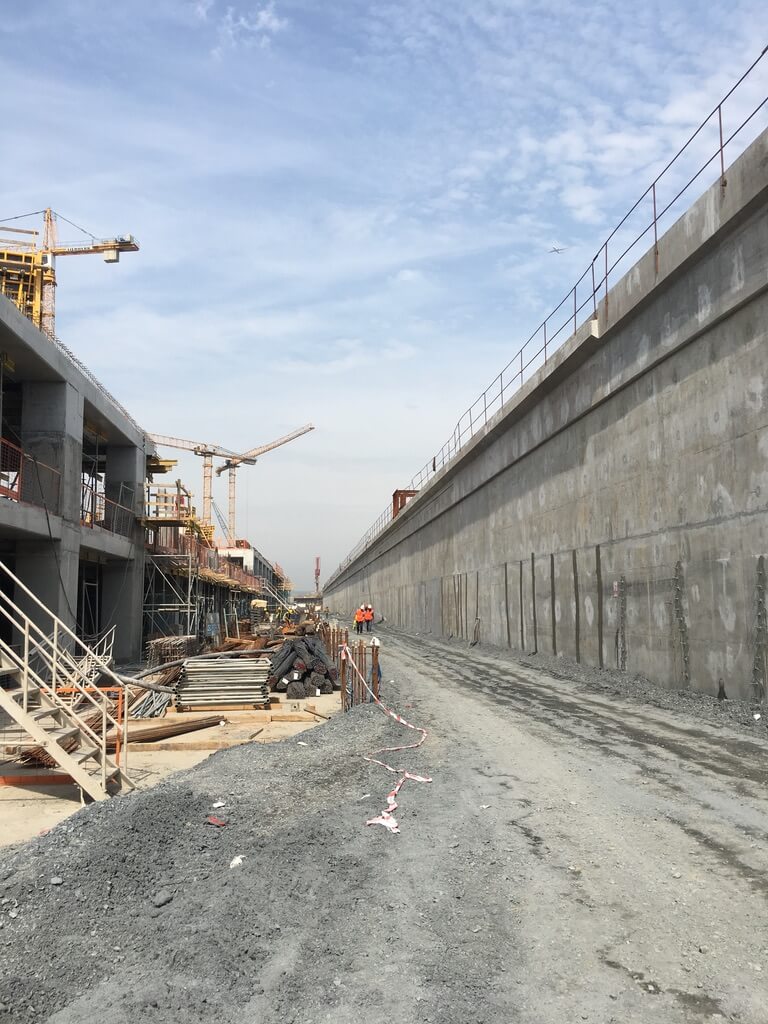
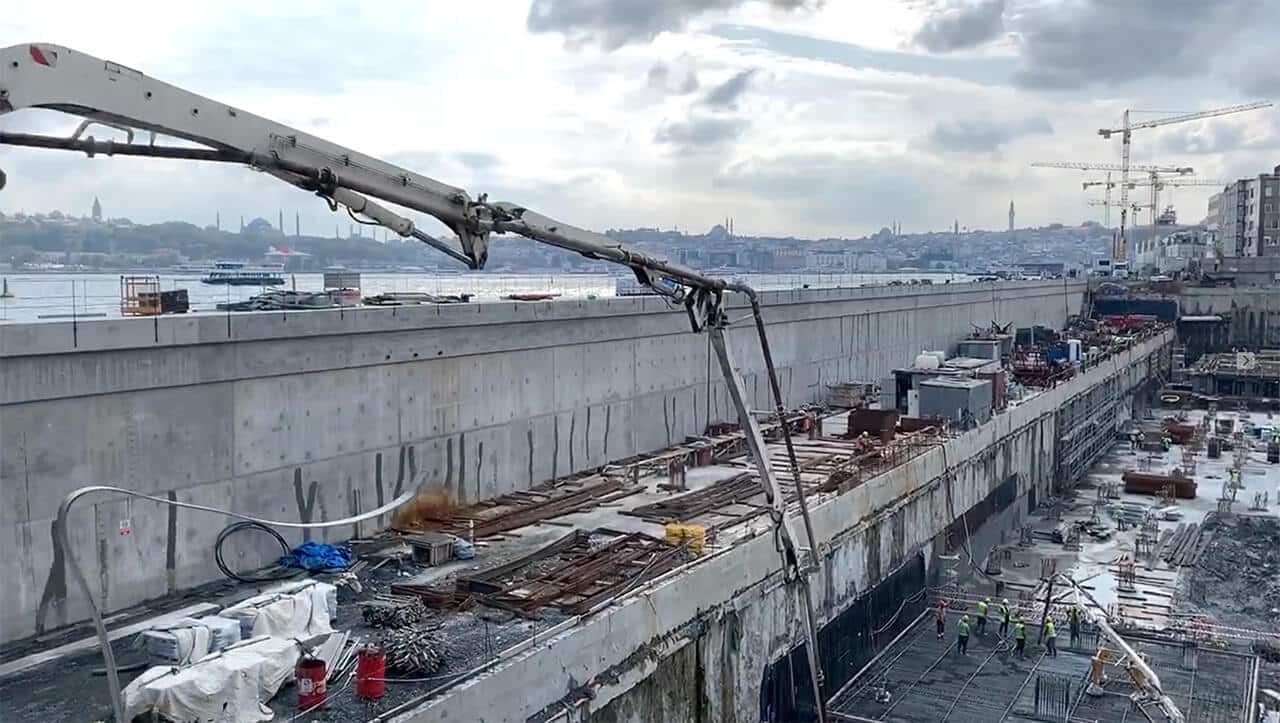
Some years ago, during the construction of Galataport İstanbul, we were working far below the water. We had gone roughly fifteen metres down, beneath the waterline of the Bosphorus itself, and raised a long concrete wall to hold the strait quietly in place while we built. From the floor of the site it rose high above our heads. A colleague stood at its foot one morning, tipped his head back, and said it looked like the great wall in Game of Thrones. He was not entirely wrong. The very top of it, the edge that seemed to touch the sky, was simply going to become the pier, the quay with its bollards and its fenders, where one day a ship would tie up and a family would step ashore.
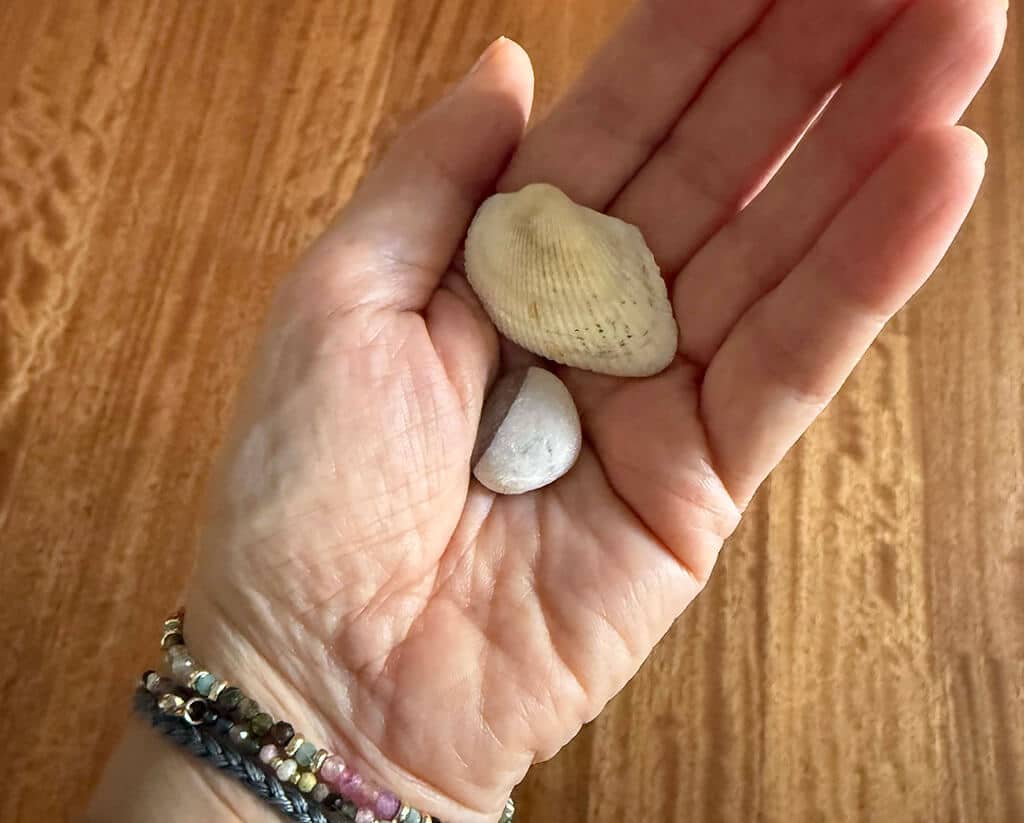
One afternoon, in the opened ground at the base of it, cranes overhead and a man in an orange vest walking the line of the concrete, there were shells lying in the sand and the rubble.
I picked one up. Nothing about it was remarkable, and it stopped me anyway. That shell had been in that ground since before the port, before the customs house, before the Genoese, before the name of the city changed the first time, or the second. It had outlasted every fleet and every sultan who had ever decided that this strait belonged to him.
I stood there holding it and felt very small.
We were counting that project in months and in budget lines. The shell had been counting in something else entirely.
THE PATTERN
For years we have measured cruise ports and destinations by what stands above the quay. Length. Depth. Passenger numbers. The size of the terminal. We have rarely asked what happens underneath. Not because it does not matter, but because we had forgotten to look.
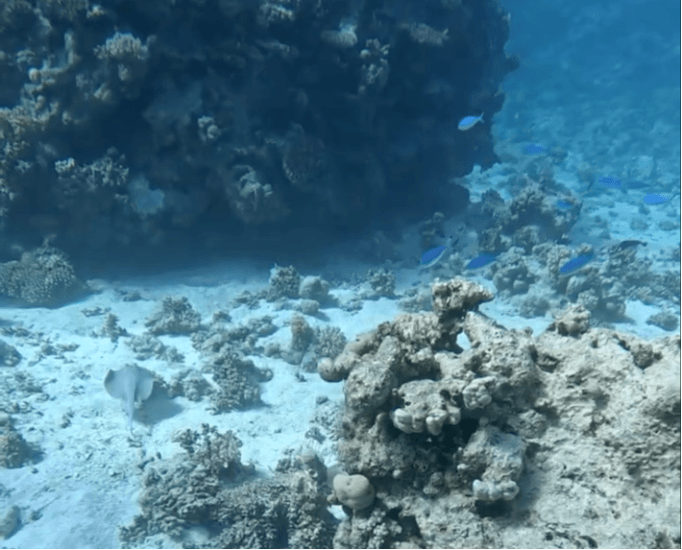
That is changing, and it is further along than most of our industry has noticed. This year I have been reading through the work Europe has funded to restore its ocean and waters by 2030, sixty-six projects across four sea basins. Structures raised to hold the sea back are being designed to hold life as well, so that a turbine base, a sea wall or a pier becomes a reef instead of a dead surface. Robots are working the floors of Adriatic harbours, lifting what a century dropped there. Seaweeds and corals are being grown in nurseries and carried back to reefs that had gone quiet. Away from the public programmes, boats that once fished are pulling plastic out of the water instead, and it is returning as material rather than as waste.
None of it is at scale yet. All of it is real.
For a century we were the sea’s engineers and the whole craft was holding it back. The next century asks us to become its gardeners as well.
Waiting is the part nobody puts in a press release. A reef keeps its own calendar. It does not accelerate for a ribbon cutting, or for a board meeting, or for the end of a reporting year.
THE QUESTION
The true work of a port is invisible, and it cannot be faked or hurried at the end. From the surface, a finished quay looks the same whether the work beneath it was truly done or only covered over. For a while, no one can tell the difference. The sea can, eventually, and the sea keeps the score.
The carbon math is arriving at every cruise port and destination in Europe, not eventually, but by 2030, on a timeline now closer than four years away and no longer abstract. When it comes, it will not ask what a port promised. It will ask what a port prepared, and whether the quiet years of work were real.
I have spent my career on deadlines. Deadlines built the terminal. Deadlines moved the ministries, the permits, the seasons that needed unlocking. And still I do not trust the deadline entirely, because a deadline rewards what can be counted by the date, and most of what matters under a quay cannot be counted that quickly.
Almost everything that lasts is made this way, beneath the line, long before anyone thinks to look for it.
So what is being built underneath us right now, by people no one has thought to ask?
I found that shell by accident, fifteen metres down, and it made me feel like the custodian of something far older than my career. We inherit shores. We decide whether they become history, or legacy. I think that is the honest work now: not to pass along these shores the way the empires did, taking what the strait offered and sailing on, but to leave the water better than the brief required.
Until the first Tuesday in September.
Figen
Beneath the waterline
A monthly letter from Figen Ayan
-
Issue
The Inheritance Issue